When Seaside Heights Fall Fishing and Crabbing Shifts
September 10, 2026
September 10, 2026
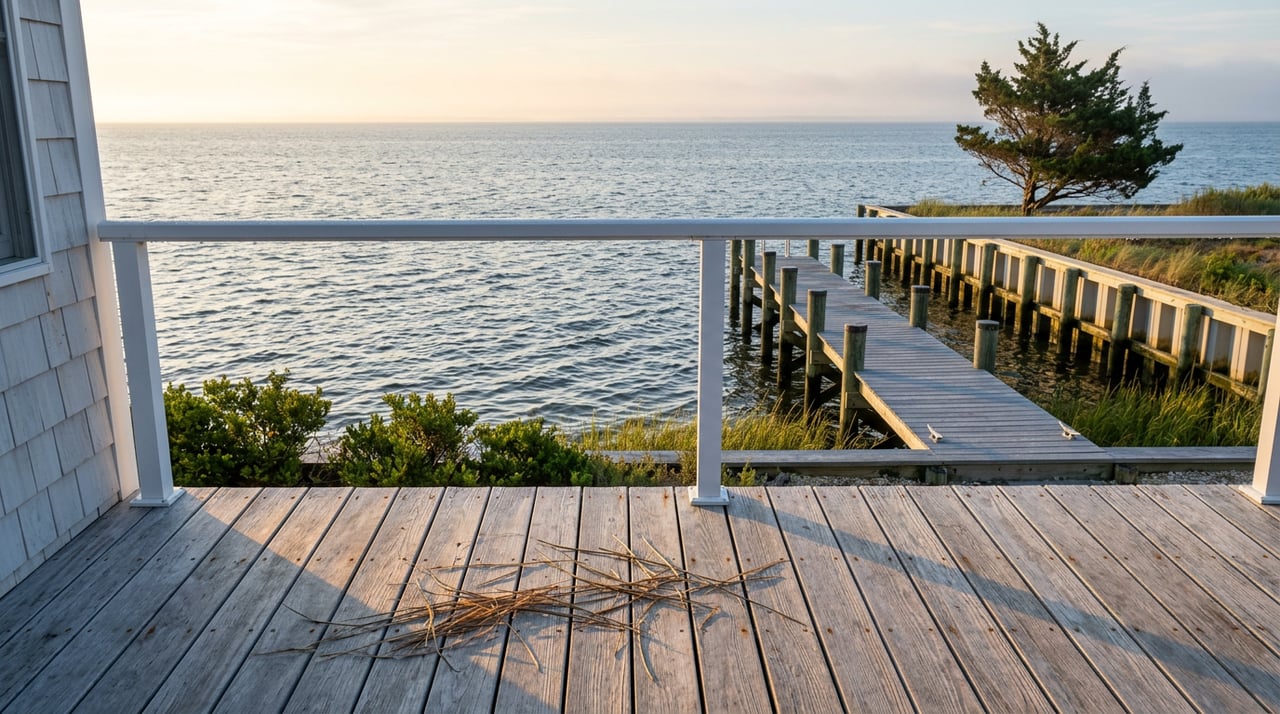
In July, the T-docks along the bay in Seaside Heights fill up by nine in the morning. Kids lean over the rail with chicken necks tied to string, waiting for the tug that means a blue crab has taken the bait. By late September, the same rail holds a different crowd: rods propped against the pilings, guys checking their phones for tide charts, bags of bloodworms sweating in the cooler. Nobody posts a sign announcing the shift. It just happens, and it happens on a schedule that has nothing to do with when the boardwalk quiets down.
Most people assume the fishing season in Seaside Heights winds down the same way the tourist season does, gradually, after Labor Day, as the crowds thin. That's not how it works. The real turnover is dictated by New Jersey's marine fishing calendar, and this year the two dates that matter most fall in the last week of September, less than three weeks from today. Two regulatory dates, 48 hours apart, flip what's legal to keep from the piers and the bay, and they land well after the boardwalk crowds are already gone for the year.
Summer flounder season, what everyone here calls fluking, closes on September 25 this year. Through the season, anglers could keep three fish per day at an 18-inch minimum, with a smaller allowance for shore fishing at Island Beach State Park. Once September 25 passes, fluke goes off the table entirely until next May.
Two days earlier, on September 23, black sea bass season does the opposite. The bag limit has been stuck at one fish per day since June 22, a stretch built to protect the summer stock. On the 23rd it jumps to ten fish per day, a tenfold increase overnight, and stays there through the end of October before climbing again to 15 fish per day in November. Anglers who track this closely plan entire fall trips around that one date, taking advantage of the brief window before the November increase.
Striped bass run on a different clock still. The 2026 rules hold a 28-to-31-inch slot with a one-fish daily bag. In the ocean out to three nautical miles, there's no closed season at all. In the bay and back rivers, the season runs open from March 1 through December 31. That means as the water cools through September and October, the same fish that spent summer scattered along the surf start showing up inside Barnegat Bay, well within casting range of the municipal docks.
Here's what that looks like in practice, laid out against each other:
| Species | 2026 Season Window | Size and Bag Limit | What Changes This Month |
|---|---|---|---|
| Blue crab | No closed season; locals treat late June through September as prime | One bushel per person per day, collapsible pots required | Cooling water starts slowing crab activity |
| Summer flounder (fluke) | May 4 through September 25 | 18-inch minimum, 3 fish per day | Season closes September 25 |
| Black sea bass | Split season; one fish per day since June 22 | 12.5-inch minimum | Bag limit jumps to 10 fish on September 23 |
| Striped bass | Bay and river waters open March 1 through December 31; ocean waters within 3 miles have no closed season | 28-to-31-inch slot, 1 fish per day | Fish move from the surf into the bay as water cools |
None of this is timed to the boardwalk calendar. It's timed to the New Jersey Division of Fish and Wildlife's marine seasons and regulations, which sets these windows independent of tourism. The boardwalk can be dark by the third week of September and the fishing here is just getting good.
Crabbing follows its own logic, and it's tied to water temperature more than anything else. Warmer water raises a blue crab's metabolism and appetite, which is why late June through September produces the most consistent action off the T-docks and the municipal pier. Locals watch the moon as much as the calendar, since full and new moons are widely believed to bump crab activity even within that window.
The rules are simple enough that most people learn them the first summer they try it. Traps have to be collapsible. The daily limit is one bushel per person. If you're using two or fewer traps, you don't need a license at all, which is part of why crabbing off the bay stays a casual, walk-up activity for families rather than something that requires planning.
What's less obvious is how directly the crab decline overlaps with the fluke closure and the sea bass reopening. As the water cools into late September, crabs slow down at almost exactly the moment the fish species shuffle. The same short stretch of dock that hosted crab lines all summer becomes rod-and-reel territory, not because anyone decided it should, but because the biology and the state's regulatory calendar happen to land in the same two-week window.
The municipal pier on the bayside, near Dock Outfitters on Route 35, is where most locals point you if you ask about crabbing in Seaside Heights. The T-docks further along the bay have a quieter reputation, more of a locals' spot than something you'd find in a visitor guide. Both places see the seasonal handoff up close, since foot traffic barely changes even as the gear in people's hands does.
If you're renting a boat to chase the fall striper run instead of fishing from shore, there's a wrinkle worth knowing before you show up. New Jersey now requires a boating license to rent a motor boat, a rule that wasn't in place a few years ago. RJ Watercraft Rental, based at Bayside Terrace, still handles pontoon rentals, and Bills Boat Rentals on Route 35 offers four and eight person motor boats, but both now expect renters to show the credential. It's a small administrative detail, but it's exactly the kind of thing that catches people off guard on the first cool-weather boat trip of the fall.
If there's one place that has watched this turnover happen for longer than almost anyone in town, it's Betty & Nick's Bait & Tackle at 807 SW Central Ave in Seaside Park. Mike and Nicka Bushell bought the shop in 1969, and it passed to their son and daughter-in-law, John and Beth Bushell, the following year. More than 50 years later, the family is still behind the counter, and the shop's own fishing reports read like a running log of exactly the pattern described above: stripers thinning out of the surf as the water cools, "residents" settling into the bay, bunker pushing bait over the sandbar and triggering a burst of activity that can turn an ordinary Saturday into one of the best days of the fall.
A few miles up, Grumpy's Tackle in Seaside Park files its own version of the same story, often noting bluefish working Barnegat Bay on bunker and poppers around the same weeks. Between the two shops, there's a reasonably complete, ongoing account of what's actually happening in local water, updated far more often than any state bulletin or seasonal guide.
A few things matter more in late September than they did in July:
The takeaway for anyone who actually lives here, rather than visits for a weekend, is that the calendar most people associate with Seaside Heights, the one built around fireworks and boardwalk concerts, isn't the calendar that governs the water. The bay runs on water temperature and state fishing regulations, and this year that means the most interesting two weeks on the docks arrive well after Labor Day, right as fluke season closes and sea bass limits jump, with striped bass sliding into the bay behind them. If you've written off fishing here as a summer-only thing, late September is worth a second look.
If you're weighing a move to Seaside Heights or one of the barrier island towns nearby and want someone who actually knows which dock does what and when, Karin Farley has spent her career working these blocks. Let's Connect.
This article is general information, not legal, tax or financial advice. Consult a qualified professional about your situation.
Stay up to date on the latest real estate trends.

jersey shore real estate
lifestyle

Finding or selling a home on the Jersey Shore should be a seamless experience. By pairing deep local expertise with a highly personalized approach, Karin protects your investment at every turn. From consultation to closing, you can expect transparent guidance, elegant marketing, and a dedicated partner.